If you speak good English, you might reasonably assume that doing therapy in English is fine. Most bilingual people I meet assume exactly that, and most of them are surprised by what happens when they try a session in Spanish.
Here's why.
Memory is stored in the language it formed in
The research on this is more consistent than you'd expect. Autobiographical memories tend to be encoded in the language spoken at the time they were laid down, and they're recalled more vividly, in more detail, and with more emotional charge when you're speaking that language.
For someone who arrived in Australia at twenty-five, that means childhood lives in Spanish. All of it: the house, the arguments, the grandmother, the thing that happened when you were nine.
You can absolutely describe those events in English. But you're doing a translation, and translation involves a small delay and a small distance. In most of life, that distance is unhelpful only in the sense that it's tiring. In trauma therapy, that distance is precisely the thing we're trying to close.
What people notice
The most common thing people say after a first session in Spanish is some version of: I didn't have to think about how to say it.
That's not a small convenience. The cognitive effort of translating is effort not spent on the actual work. And second-language processing tends to be more analytical, which is the opposite of what somatic work needs: we're trying to get underneath analysis, not to sharpen it.
Some people also find the reverse useful: English gives them enough distance to approach something they can't yet approach directly. That's legitimate too, and it's a choice you get to make session by session.
You don't have to pick one
In my practice you can move between languages freely. Some people do a whole session in Spanish. Some talk in English and drop into Spanish when something lands. Some start a sentence in one and finish it in the other, which is simply how bilingual people think.
None of that needs explaining or apologising for.
The specifically migrant part
There's also material that's hard to work on with someone who has no reference for it:
- The grief of migration, which rarely gets named as grief
- Being competent and respected at home and treated as an accent here
- What it costs to be the family member who translates for everyone
- Raising children who are becoming culturally different from you
- Distance from ageing parents, and the calculation about whether you'd make it back in time
None of this requires a Spanish-speaking therapist. All of it goes faster with one who doesn't need the context explained first.
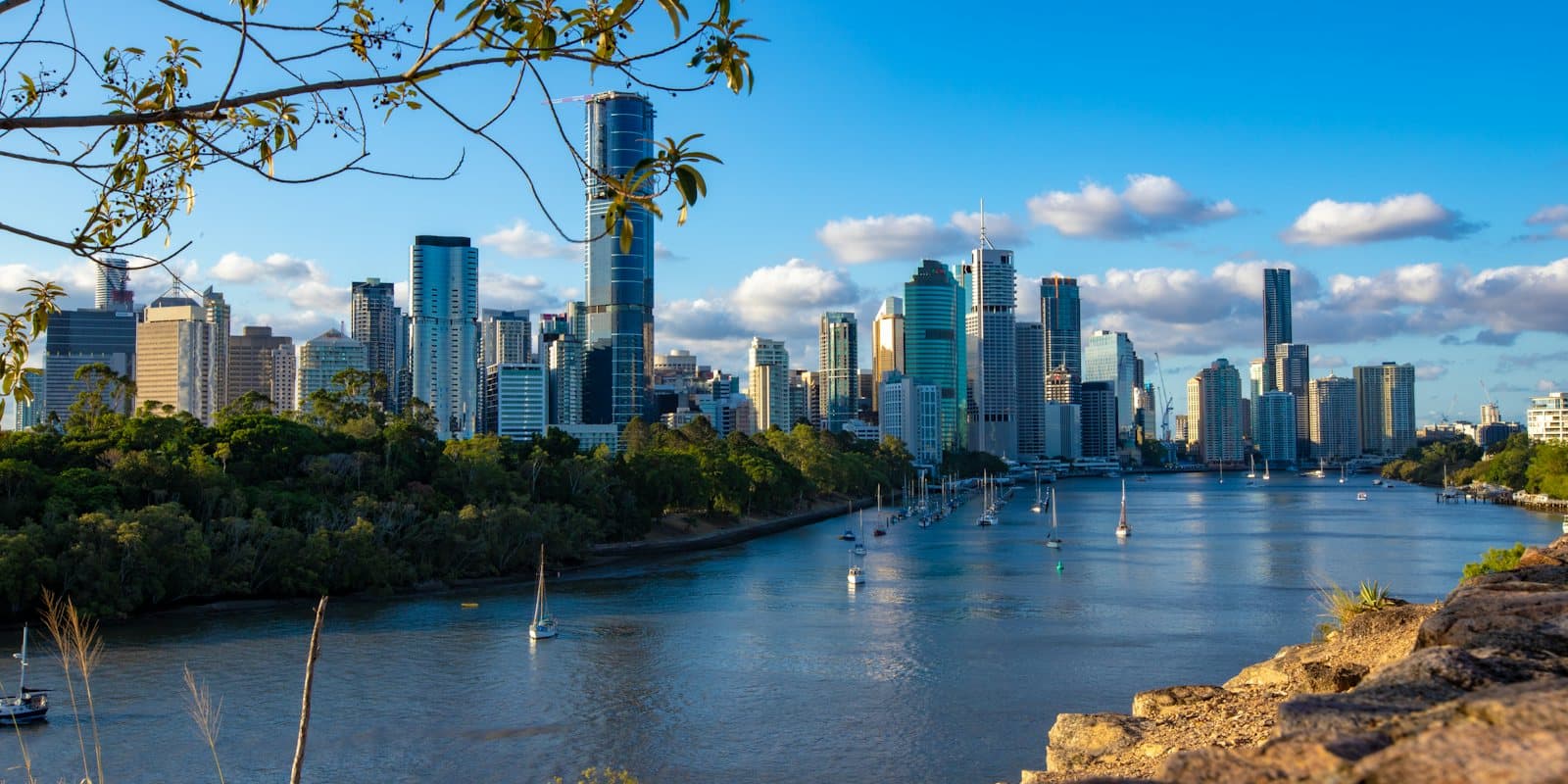
Where to find it in Brisbane
Spanish-speaking therapists are not abundant here. That's the honest situation, and it's why people often end up doing therapy in their second language by default rather than by choice.
I trained in Mexico and Spanish is my first language. I offer full sessions in Spanish: in West End on Thursdays, Milton on Wednesdays, and online across Australia.
If you've been doing therapy in English and something has felt slightly out of reach, it may be worth trying one session in Spanish to see what's different.
Esta página también está disponible en español.